
Design Elements for Energy Conservation + Solar Power Integration
The Importance of Energy Conservation and Solar Power Integration
Energy conservation and solar power integration are crucial in today's world to reduce energy costs, minimize environmental impact, and promote sustainable living. By incorporating design elements that focus on energy efficiency and the utilization of solar power, buildings can significantly lower their carbon footprint and contribute to a greener future.
Key Design Elements for Energy Conservation and Solar Power Integration
1. Passive Solar Design
Passive solar design involves utilizing the sun's energy for heating, cooling, and lighting spaces naturally. Key elements include proper building orientation, window placement, thermal mass, and shading devices to optimize energy efficiency.

2. Energy-Efficient Lighting
Utilize energy-efficient lighting solutions such as LED bulbs, daylight sensors, and task lighting to reduce electricity consumption and improve overall lighting quality in buildings.

3. Insulation and Air Sealing
Proper insulation and air sealing help maintain consistent indoor temperatures, reduce heat loss or gain, and lower energy demands for heating and cooling systems.

4. Solar Panels and Photovoltaic Systems
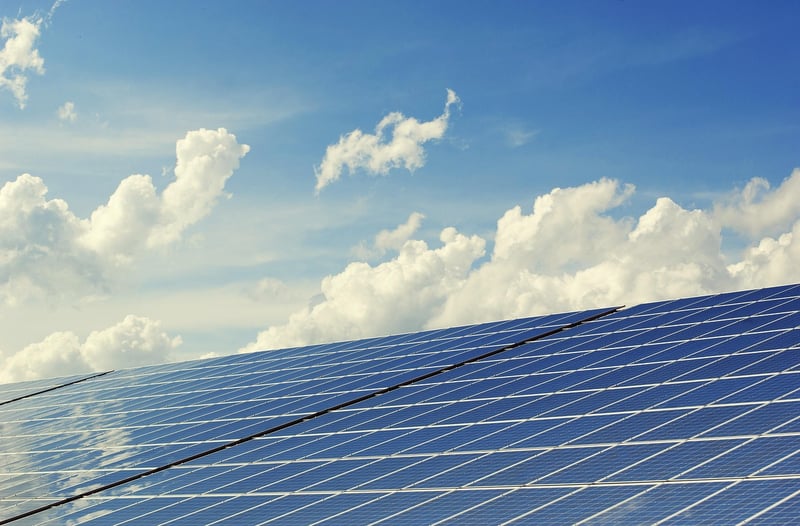
Integrating solar panels and photovoltaic systems on rooftops or facades allows buildings to generate clean and renewable energy, reducing reliance on grid electricity and lowering utility bills.

Benefits of Energy Conservation and Solar Power Integration
- Reduction in energy costs
- Lower carbon footprint
- Increased property value
- Enhanced indoor comfort
- Contribution to environmental sustainability
Conclusion
By incorporating these design elements for energy conservation and solar power integration, buildings can become more sustainable, cost-effective, and environmentally friendly. Embracing these practices not only benefits the occupants but also contributes to a greener planet for future generations.
References: